
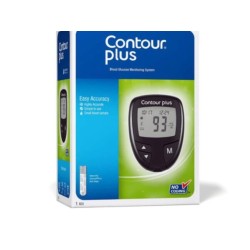
Contour Plus Meter Glucometer — available at DiabetesStore.com.bd
Winter in Bangladesh is mild compared to many countries, but those cooler mornings from November through February are enough to affect how your body works — especially your heart and blood vessels. If you are living with diabetes, keeping an eye on heart wellness during this season is a kind, smart act of self-care. This article walks you through simple, practical steps to support a healthy heart and healthy cholesterol levels all winter long.
Why Winter Matters for Your Heart When You Have Diabetes
People with diabetes already pay close attention to blood sugar. But heart health is equally important, because high blood sugar over time can affect the walls of blood vessels. During cooler weather, a few extra factors come into play that are worth knowing about.
How Cold Weather Affects the Heart and Blood Vessels
Even in Bangladesh's relatively gentle winter, mornings can dip noticeably. When the body senses cold, blood vessels can tighten slightly to keep warmth inside. This means the heart works a little harder to push blood through. For most healthy people this is no problem, but if you already have diabetes, it is a good reason to dress in light layers on chilly mornings and avoid sudden outdoor rushes right after waking up.
Cold air can also make people less motivated to move around, which affects circulation and energy levels. Staying gently active — even indoors — helps keep blood flowing comfortably.
The Link Between Blood Sugar and Cholesterol
Blood sugar and cholesterol are closely connected in people with diabetes. When blood sugar stays high for long periods, it can lower the "good" HDL cholesterol and raise triglycerides (a type of fat in the blood). This combination is worth monitoring regularly, not worrying about, but simply keeping an eye on with the help of your doctor or pharmacist.
The good news: many of the same habits that help steady blood sugar — balanced eating, regular movement, good sleep — also support healthier cholesterol levels. You are often working on both at the same time without even realising it.
Simple Daily Habits That Support Heart and Cholesterol Wellness
Big changes can feel overwhelming. Small, consistent habits, on the other hand, quietly add up to real results. Here are some easy things to weave into your everyday winter routine.
Eating Patterns That Keep Your Heart Happy
You do not need a special "heart diet." A few gentle adjustments to everyday Bangladeshi eating go a long way:
- Choose whole grains when possible. Red rice, hand-pounded rice, or oats at breakfast keep energy steady and support cholesterol balance better than very processed white rice or maida bread eaten in large amounts.
- Add fish to your plate often. Bangladesh is blessed with fresh fish — hilsa, rui, katla, and small river fish. Fish provides heart-supportive fats that are very hard to get from other foods. Aim for fish two to three times a week.
- Use mustard oil or soybean oil in moderate amounts. These common Bangladeshi cooking oils have a reasonable fat profile compared to vanaspati or dalda. Keep portions sensible — oil is calorie-dense for everyone.
- Load up on vegetables. Winter is actually a great time for vegetables in Bangladesh. Cauliflower, tomato, peas, spinach, beans, and gourds are all affordable and widely available. Vegetables provide fibre, which helps the body manage cholesterol naturally.
- Go easy on fried snacks. Winter evenings in Bangladesh call for warm snacks, and that is lovely. Try baked or lightly pan-toasted versions of your favourites rather than deep-fried ones every day.
- Limit sweet treats. Winter festivals and family gatherings often come with mishti and sweets. Enjoy them in small amounts and savour every bite rather than eating quickly.
Staying Active Indoors During Bangladesh's Cool Months
Exercise is one of the most effective ways to raise HDL ("good") cholesterol and support overall heart wellness. You do not need a gym membership. Consider:
- Morning walks in your neighbourhood or on a rooftop — even 20 to 30 minutes most days is a solid start.
- Light stretching or yoga in a warm indoor space on especially chilly or foggy mornings.
- Household activity — sweeping, climbing stairs, and gardening all count as movement.
- Post-meal walks of just 10 minutes after lunch or dinner have been shown in research to support blood sugar and are kind to your heart too.
The key is consistency over intensity. A gentle daily walk beats an exhausting weekend workout every time when it comes to long-term heart wellness.
Monitoring: Your Best Winter Companion
Keeping track of your blood sugar at home helps you notice patterns and share useful information with your doctor. During winter, blood sugar can behave slightly differently for some people — activity levels change, food choices shift, and stress around holidays can creep in. Regular home monitoring means you stay informed rather than surprised.
A reliable glucometer is one of the most practical investments for anyone managing diabetes at home. Pair it with a good supply of glucose test strips so you are never caught without the ability to check your levels when it matters most.
Reading Cholesterol Numbers — A Plain-Language Guide
Your doctor may mention cholesterol numbers during a check-up. Here is a simple guide to understanding what they mean — not to diagnose yourself, but to have a more confident conversation with your healthcare provider.
What LDL, HDL, and Triglycerides Mean for You
- LDL cholesterol is often called "bad" cholesterol. When there is too much of it, it can build up in blood vessel walls over time. Keeping it lower is generally the goal.
- HDL cholesterol is often called "good" cholesterol. It helps carry other cholesterol away from blood vessels. Higher is generally better. Exercise, fish, and not smoking support healthy HDL.
- Triglycerides are fats in your blood. High triglycerides combined with low HDL is a pattern that doctors watch closely in people with diabetes. Reducing sugary drinks, refined carbs, and alcohol (if consumed) helps keep triglycerides in a healthy range.
Your doctor decides what your personal targets should be, based on your full medical picture. The numbers above are just for understanding the language, not for self-diagnosis.
Heart-Friendly Foods Available in Bangladesh
You may be relieved to know that many traditional Bangladeshi foods are genuinely heart-friendly when eaten in balanced amounts. Here is a quick list to feel good about:
- Lentils (dal) — rich in plant protein and soluble fibre, which supports cholesterol management.
- Fresh river fish — a wonderful source of healthy fats and lean protein.
- Leafy greens (shak) — lal shak, pui shak, and palang shak are all full of vitamins and minerals that support heart health.
- Bitter gourd (karela/korola) — a traditional favourite with a reputation for supporting blood sugar balance, and very low in calories.
- Garlic and ginger — used daily in Bangladeshi cooking, both have traditional reputations for supporting circulatory wellness.
- Nuts in small amounts — a small handful of almonds or walnuts provides healthy fats and makes a satisfying, heart-supportive snack.
Eating this way does not feel like a sacrifice when these foods are already part of your culture. The focus is on balance and portion size, not on eliminating anything completely.
When to Talk to Your Doctor
Some signs are worth mentioning to your doctor promptly, not because they are definitely serious, but because a professional can give you the clearest picture:
- Unusual tiredness during light activity
- Breathlessness that feels new or different
- Discomfort or heaviness in the chest, arm, or jaw
- Swelling in the feet or ankles that is new
- Blood sugar readings that are consistently higher or more unpredictable than usual
Routine check-ups during winter are also a good idea. Many people skip clinic visits in cool weather, but this is exactly the time to stay connected with your care team. Ask your doctor to include a lipid profile (cholesterol test) if you have not had one recently.
If you use a blood pressure monitor at home alongside your glucometer, winter is a great time to check it regularly too, since blood pressure can rise slightly in cooler temperatures. You can find blood pressure monitors that are easy to use at home without any special training.
Frequently Asked Questions
Does cold weather directly raise cholesterol in people with diabetes?
Cold weather on its own does not automatically raise cholesterol, but it can lead to lifestyle changes — less movement, more comfort eating — that influence cholesterol over time. Being mindful of these patterns during winter is the most useful response.
How often should I check my blood sugar in winter?
Your doctor's recommendation is the best guide, as it depends on your individual situation. Many people find it helpful to check a little more frequently when their routine changes seasonally, such as during holidays or when activity levels drop.
Can eating fish really help my cholesterol?
Fish — especially fatty fish like hilsa — provides omega-3 fatty acids, which are linked to supporting healthy triglyceride levels. It is not a treatment, but regular fish consumption as part of a balanced diet is considered heart-supportive by many nutrition guidelines.
Is it safe to exercise outdoors in Bangladesh's winter?
For most people with diabetes, yes — Bangladesh's winter is mild. Dress in a light layer on foggy or cool mornings, warm up gently before starting, and avoid very intense exertion immediately after waking. Always follow your doctor's specific exercise guidance.
What is a lipid profile test and do I need one?
A lipid profile is a simple blood test that measures LDL, HDL, and triglyceride levels. It helps your doctor understand your cardiovascular risk picture. Ask your doctor whether it is due for you — it is usually recommended at least once a year for people managing diabetes.
Are there any monitoring devices that track both blood sugar and heart health?
Standard glucometers measure blood sugar, while separate blood pressure monitors track blood pressure — both are relevant to heart wellness. Keeping both at home and using them regularly gives you and your doctor a fuller picture of how your body is doing.
Disclaimer: This article is for general information only and does not constitute medical advice, diagnosis, or treatment recommendations. Always consult your doctor, pharmacist, or qualified healthcare provider for personalised guidance about your diabetes care and heart health.
]]>